
Painting your home exterior isn’t just about picking a pretty color and grabbing a paintbrush. If you’re in Omaha, NE, the weather alone can throw a wrench into even the best-laid plans.
One week you’re enjoying perfect sunshine, the next you’re checking your phone for a severe thunderstorm warning, tornado watch, or coastal flood advisory.
We’ve seen what happens when people rush into a paint job without checking the forecast—or worse, ignore how temperature, wind, and moisture actually affect your home’s surfaces.
So if you’re serious about keeping your siding looking sharp, extending the life of your paint, and avoiding peeling, cracking, or moldy corners, here are the weather conditions that should make you put that exterior painting project on hold.
Key Takeaways:
- Avoid painting after rain—moisture in wood or stucco causes bubbling and peeling.
- Direct sunlight and high heat can dry paint too fast and lead to streaks.
- Wind can blow dust and debris into wet paint, ruining the finish.
- Humid conditions slow drying time and affect paint adhesion.
- Prep work like sanding, priming, and sealing cracks is just as important as timing.
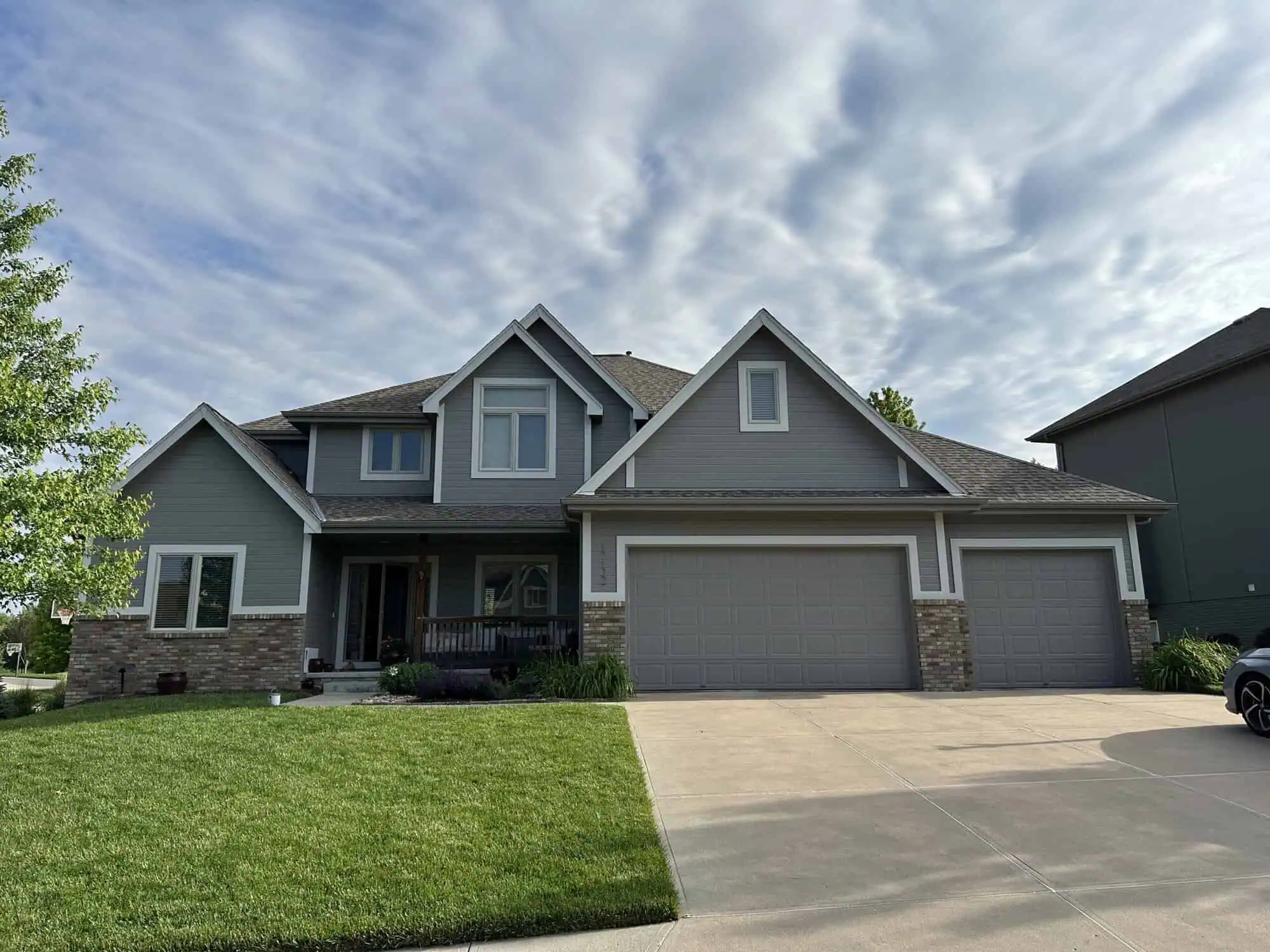
1. Wet Surfaces Are a No-Go
Rain is an obvious one, but here’s the thing—moisture lingers. Even after the skies clear, your siding, stucco, or wood may still be holding on to water. Painting over a damp surface traps that moisture beneath the primer and paint, creating a breeding ground for mildew, mold, and blistering.
You also risk poor adhesion, especially on vinyl siding, masonry, or clapboard, which means the paint won’t bond properly and could start peeling within weeks. Before painting your home exterior, especially after pressure washing, give surfaces time to dry fully—often 24–48 hours, depending on humidity levels.
2. Hot, Direct Sunlight Can Cook Your Paint Mid-Brush
It’s tempting to get started on a clear summer morning, but direct sun and high heat can mess with your entire project. Paint might feel dry to the touch quickly, but drying too fast leads to poor film formation, visible brush or roller marks, and uneven color. It can even bake in dust or debris, especially if the air is dry or breezy.
Those heat waves can creep in faster than you’d expect. If the forecast shows temperatures pushing past 85°F–90°F, hold off or stick to shaded areas. A paint sprayer might help with speed, but you still want to avoid fast-drying disasters.
3. Wind + Wet Paint = Instant Regret
You’ve prepped everything, your ladder is up, paint’s open—and then the wind kicks in. Not only can it send your masking tape or plastic coverings flying, but even worse, it blows pollen, dirt, and leaves straight into your fresh coat. Think of it like adding sandpaper to wet paint. Not ideal.
Wind also speeds up the drying process unpredictably, especially with spray painting, causing inconsistent texture or cracking. On high wind days, skip the paint and maybe just clean your windows instead.
4. Freezing Temps? Skip the Brush, Grab a Blanket
Cold weather is one of the most common reasons we get called to redo exterior jobs. Most latex and acrylic paints won’t perform well below 50°F. The paint thickens, won’t level properly, and takes way longer to dry. Some even experience surfactant leaching—that splotchy, shiny mess on your siding that never quite goes away.
If you’re trying to extend your season into late fall or early spring in Omaha, use a paint rated for cold application (some go down to 35°F), but even then, residential exterior painting in colder temps is a risk.
5. High Humidity? Put the Paintbrush Down
Humidity doesn’t just make your hair frizzy—it throws off your whole paint job. Omaha’s summers can get muggy, and when the air is thick with moisture, it slows down drying, interferes with adhesive properties, and leaves you with a soft, tacky surface that attracts bugs, dust, and debris.
Humidity combined with warm temperatures creates the perfect storm for paint problems. Wait for drier conditions or use a weather radar or local weather station to track trends. You’ll thank yourself later.
6. Storm Season Can Wreck a Fresh Coat
Whether you’re dealing with the Atlantic hurricane season or a rogue thunderstorm, starting a paint job with storms in the forecast is asking for trouble. Even if you’ve finished a coat before a tropical storm warning hits, sudden drops in temperature and a spike in wind or hail can damage the film while it’s curing.
Late summer and early fall tend to bring wild weather through Omaha, including lightning, tornado warnings, and even remnants of pacific hurricanes. Trust the hurricane tracker or storm tracker apps and don’t gamble on those gray clouds.
If you’re trying to figure out when to start, here’s a great resource on why spring is the best time for exterior painting.
7. Skipping Surface Prep? You’re Asking for Trouble
Even with perfect weather, a paint job can go sideways if the prep work’s skipped. Removing lead paint, caulking cracks, patching masonry, scraping old finishes with a hand scraper, sanding metal trim, or priming over exposed wood—none of that should be skipped.
Especially in Omaha, where snow, wind, and freezing temperatures beat up our exteriors all year long. You don’t want to slap fresh paint over peeling spots or mildew buildup. Take the time to prep. If you’re unsure what it needs, check this out: how many coats of primer you should use.

Final Thoughts: Painting Your Home Exterior in Omaha, NE
Painting your home exterior in Omaha, NE, is a fantastic way to add value, refresh your curb appeal, and protect your home. But rushing into the project during the wrong weather conditions can cost you in time, money, and frustration.
Avoid painting in:
- Rain or humidity
- Direct sunlight or high heat
- Freezing or windy weather
- Right before or during storm season
Instead, aim for mild, dry, and calm days—and do the prep right the first time.
Here’s How Kieser's Painting Makes Exterior Painting Stress-Free
Our process:
- We check the weather and reschedule if needed. No rushed jobs, no weather excuses.
- We prep the surface by scraping, cleaning, priming, and caulking.
- We use the right products for Omaha’s wild climate—from heat to snow.
- We apply clean coats with brush, roller, or sprayer—whatever your home needs.
- We clean up thoroughly and leave no paint splatters, tape, or plastic behind.
Ready to start painting your home exterior the right way? Contact Kieser's Painting for residential exterior painting in Bellevue, Boys Town, NE, and the surrounding areas.
Call us at 402-866-8260 for your FREE estimate today. Let’s get it done right—weather and all.