
Choosing between satin paint vs. matte paint feels simple until you are standing in your space trying to imagine how it will actually look and hold up. The same color can feel soft, flat, bright, or reflective depending on the finish, and that choice affects more than style. It impacts cleaning, longevity, and how flaws show on the surface.
This question comes up often when repainting living areas, refreshing walls, or updating oak kitchen cabinets, where the wrong sheen can change the entire feel of the room.
Key Takeaways:
- Satin paint vs. matte paint comes down to durability versus softness. Satin handles wear and cleaning better, while matte softens the look of walls.
- Satin reflects more light, which can brighten a room but also show surface flaws more clearly.
- Matte absorbs light, helping hide imperfections, but it does not hold up as well to frequent cleaning.
- High-touch areas like kitchens, hallways, and oak kitchen cabinets usually perform better with satin finishes.
- The right choice depends on lighting, traffic, and surface condition, not just color preference.
Why Paint Finish Matters More Than You Might Expect
Paint color usually gets the attention, but finish quietly does a lot of the work. Sheen affects how light moves across the wall, how easy it is to clean, and how well it holds up over time.
With satin paint vs. matte paint, the difference shows quickly. One reflects light and feels smoother. The other absorbs light and feels softer. Neither works everywhere, but each performs better in certain spaces depending on lighting, surface condition, and daily use.
That difference becomes even more noticeable on detailed areas like trim, doors, or oak kitchen cabinets, where reflection can either enhance the craftsmanship or expose every flaw.
What Satin Paint Brings To A Space
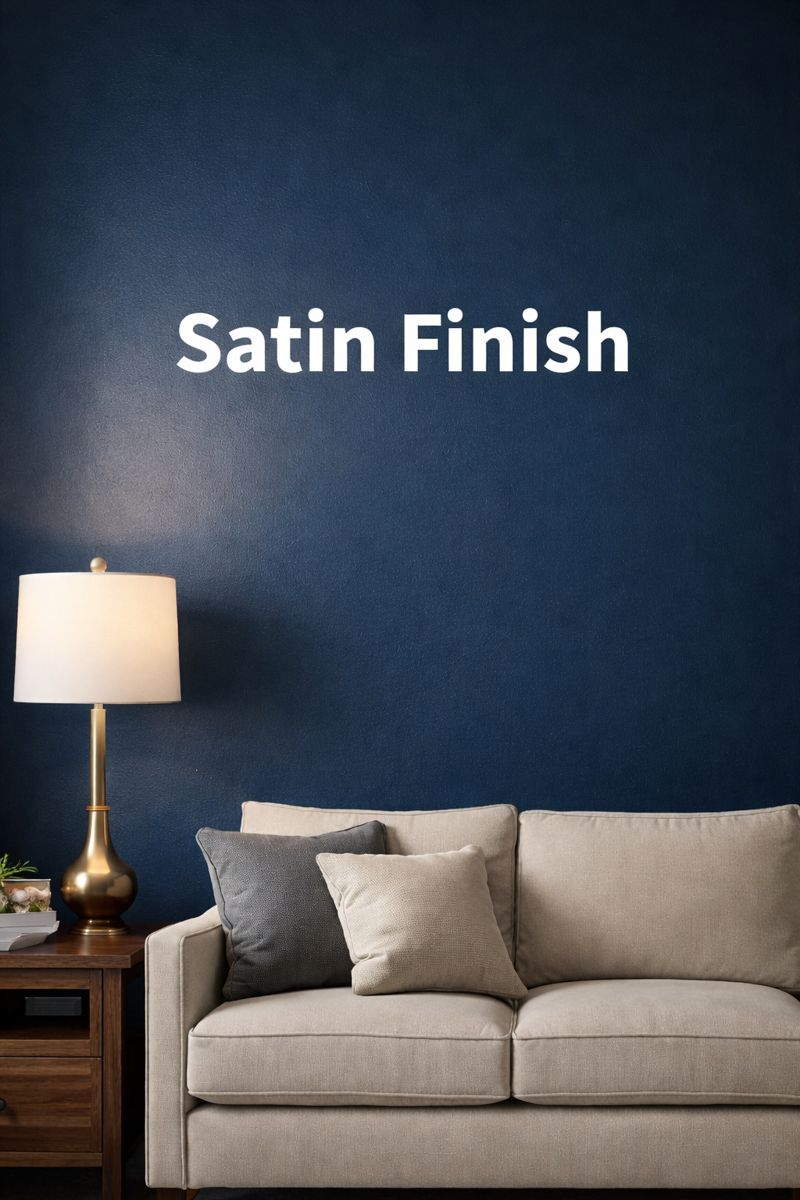
Satin paint sits in the middle of the sheen range. It has a soft shine that reflects light without looking glossy, which makes it a practical choice in many areas of the home.
You will often see satin paint used in:
- Hallways and entryways
- Kitchens and bathrooms
- Doors, trim, and cabinets
- Walls that get frequent contact
In the satin paint vs. matte paint conversation, satin usually makes sense when durability and cleanability matter. The surface resists scuffs better and handles regular wipe-downs without breaking down.
That reflectivity does come with a tradeoff. Satin paint tends to show surface issues more clearly, especially on walls with uneven texture or past repairs. On oak kitchen cabinets, satin can highlight the wood grain beautifully, but only when the prep work is solid.
What Matte Paint Does Best
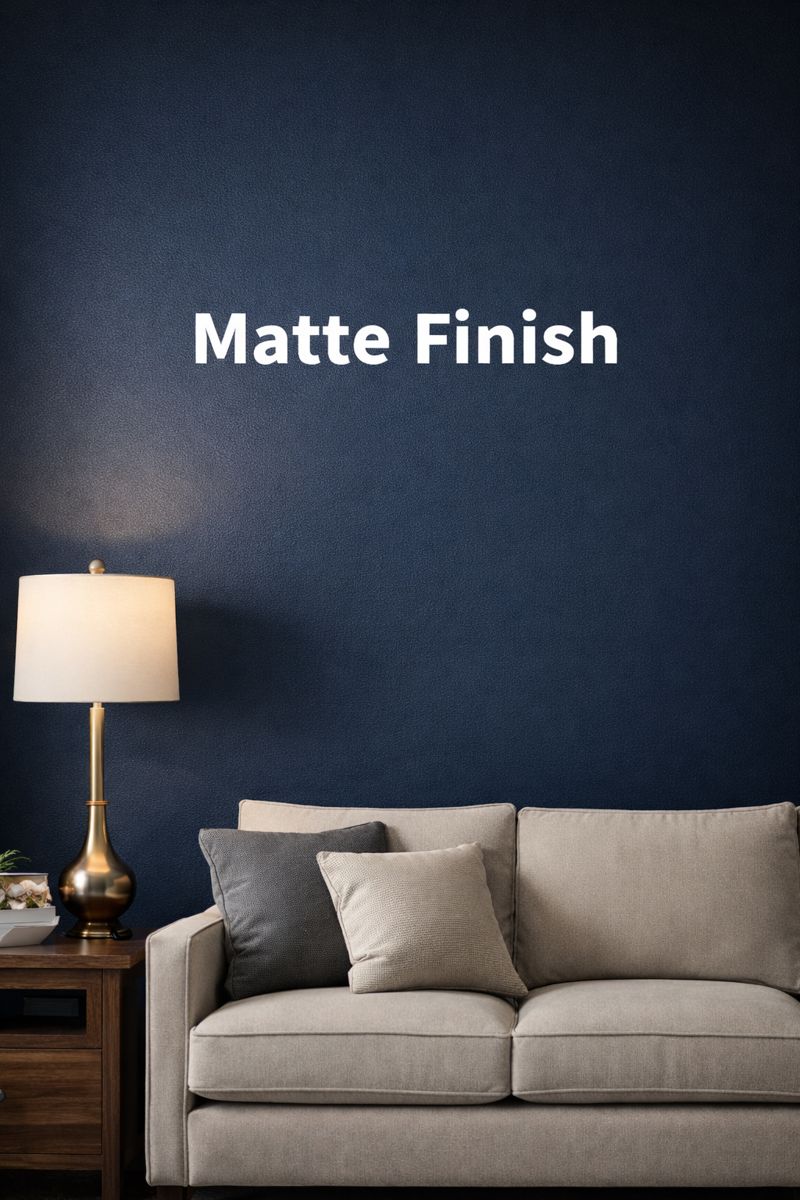
Matte paint has very little shine, which gives it a calm, soft appearance. It absorbs light instead of bouncing it around, which helps disguise surface imperfections.
Matte paint works well for:
- Bedrooms and dining rooms
- Living rooms with controlled lighting
- Ceilings
- Walls with patches or minor flaws
In the satin paint vs. matte paint comparison, matte stands out for how well it hides dents, uneven drywall, and previous repairs. It creates a smooth, velvety look that feels understated.
The downside is durability. Matte paint does not handle frequent cleaning as well as satin. In high-traffic areas, marks and scuffs show faster. That is why matte is rarely a good fit for oak kitchen cabinets or trim that gets touched daily.
Light, Reflection, and How Your Room Feels
Lighting changes how paint behaves more than most people expect. Natural and artificial light interact very differently with satin and matte finishes.
Satin paint reflects light back into the room, which can make a space feel brighter and more open. In rooms with a lot of windows, though, that reflection can feel harsh or show wall texture more clearly.
Matte paint absorbs light, which reduces glare and softens the room. In smaller or darker spaces, that same quality can make the room feel more enclosed.
If you have ever noticed a color looking different once it dries, sheen often plays a role. Reflection affects perception, which ties closely to questions like does paint dry darker or lighter.
Durability and Daily Wear Over Time
Durability is one of the biggest differences between satin paint vs. matte paint, especially in spaces that see daily activity.
Satin paint contains more binders, which makes the surface more flexible and resistant to scuffs. This is why satin works well in kitchens, bathrooms, hallways, and staircases.
Matte paint has higher pigment content and fewer binders. That gives it rich color depth, but less resistance to wear. Touch-ups blend more easily, but frequent cleaning can leave visible marks.
For areas like oak kitchen cabinets, satin paint consistently holds up better because it can handle repeated contact without wearing unevenly.
Texture and How The Finish Feels
The feel of paint is subtle, but it affects the overall impression. Satin paint feels smoother and slightly slick due to its resin content. Matte paint feels softer with a faint chalky texture.
That difference changes how each finish looks on detailed surfaces. Satin emphasizes lines, edges, and grain. Matte softens everything visually.
This is why choosing between finishes matters. Each option in the different paint sheen range serves a purpose, and satin and matte sit at opposite ends of function and feel.
Cost Differences and What They Mean Long Term
Satin paint typically costs a bit more per gallon than matte because of the added resins. On large house painting projects, that difference adds up.
Still, choosing based on price alone often leads to repainting sooner than expected. In the satin paint vs. matte paint decision, the better value usually comes from choosing the finish that fits how the space is used, not just the upfront cost.
Choosing The Right Finish Room By Room
Instead of asking which finish is better overall, it helps to think about where each finish works best.
Satin paint usually fits:
- Kitchens and bathrooms
- Hallways and staircases
- Trim, doors, and cabinets
- High-use living spaces
Matte paint usually fits:
- Bedrooms and dining rooms
- Living rooms with softer lighting
- Ceilings and accent walls
- Older walls with visible repairs
This approach keeps satin paint vs. matte paint decisions practical rather than emotional.
If you are planning multiple color changes, tools like paint color visualizers and paint calculator resources can help set expectations before any work begins.
How Surface Prep Changes The Outcome
No finish can hide poor prep. Satin paint exposes prep mistakes faster than matte, but both finishes depend on proper surface preparation.
Sanding, primer selection, adhesion, and surface repairs all affect how paint performs. On oak kitchen cabinets, prep work determines whether satin enhances the wood grain or exaggerates flaws.
This is where experience matters. Paint, primer, surface material, and application all work together. Skipping steps leads to uneven sheen and early wear.
Satin Paint Vs. Matte Paint On Cabinets And Trim
Cabinets and trim deserve special attention in the satin paint vs. matte paint discussion. These surfaces get touched constantly and need a finish that holds up.
Satin paint is usually the better option for oak kitchen cabinets because it offers:
- Better moisture resistance
- Easier cleaning
- More consistent wear over time
Matte finishes on cabinets tend to show wear quickly and are harder to maintain, especially in kitchens.
Working With Painters Who Understand The Difference
Choosing between satin paint vs. matte paint should not feel like guesswork. The right recommendation depends on lighting, traffic, surface condition, and long-term performance.
At Kieser's Painting, our expert painters in Gretna, NE focus on prep quality, finish selection, and consistent application so the result lasts. Every recommendation is based on how the space is used, not trends.
When working throughout Gretna, Bennington, Papillion, and the surrounding areas, our process stays consistent and detail-focused:
- Review lighting, traffic, and surface condition
- Recommend finishes based on performance, not trends
- Prepare surfaces with proper cleaning, sanding, and primer
- Apply paint evenly for consistent sheen and color
- Review final results with long-term durability in mind
If you are weighing satin paint vs. matte paint, call Kieser's Painting at 402-866-8260 for a FREE estimate and straightforward guidance from painters who focus on lasting results.