
Considering a revamp of your exterior? Many homeowners in Elkhorn, NE often wonder about the signs to repaint your house exterior. If your paint is looking worn out or you’ve spotted a few problem areas, your home might be telling you something. Knowing what to look for can save you money and help you avoid deeper damage later on.
Let’s take a closer look at the telltale signs and what they could mean for your next exterior house painting project.
Key Takeaways:
- Fading paint is a sign your exterior can no longer withstand sun exposure. Repainting restores protection and color vibrancy.
- Peeling or cracked paint often means moisture is seeping in. Fixing this early prevents wood rot and further damage.
- Mold, mildew, and stains aren’t just unsightly. They can lead to deeper surface issues and need proper prep before repainting.
- Energy bills rising? Worn exterior paint might be letting in drafts—fresh paint and sealing can improve efficiency.
- If you’re selling or remodeling, a new paint job boosts curb appeal. It helps your home make a clean, polished first impression.
Signs to Repaint Your House Exterior
Before we get into the specific signs, let’s talk about why noticing the early signs to repaint your house exterior is worth your attention. Paint protects your home from sun, rain, wind, and pests. It also helps your home look fresh and well-kept.
A worn-out paint job doesn’t just affect curb appeal—it can allow bigger issues to develop behind the surface. By spotting these signs early, you’ll know when it’s time to plan that exterior painting project and keep your home in solid shape.
1. Faded or Discolored Paint
This is usually the most obvious signal. If your house used to be a vibrant blue or clean white but now looks dull, chalky, or washed out, that’s fading. Sunlight gradually breaks down pigment over time, especially on sides that get full exposure.
Look out for:
- South or west-facing walls losing color faster
- Spots under eaves or behind shutters that are still vibrant
- A dusty or powdery texture when you wipe the wall
A faded surface won’t protect as well, and repainting helps restore both color and durability.
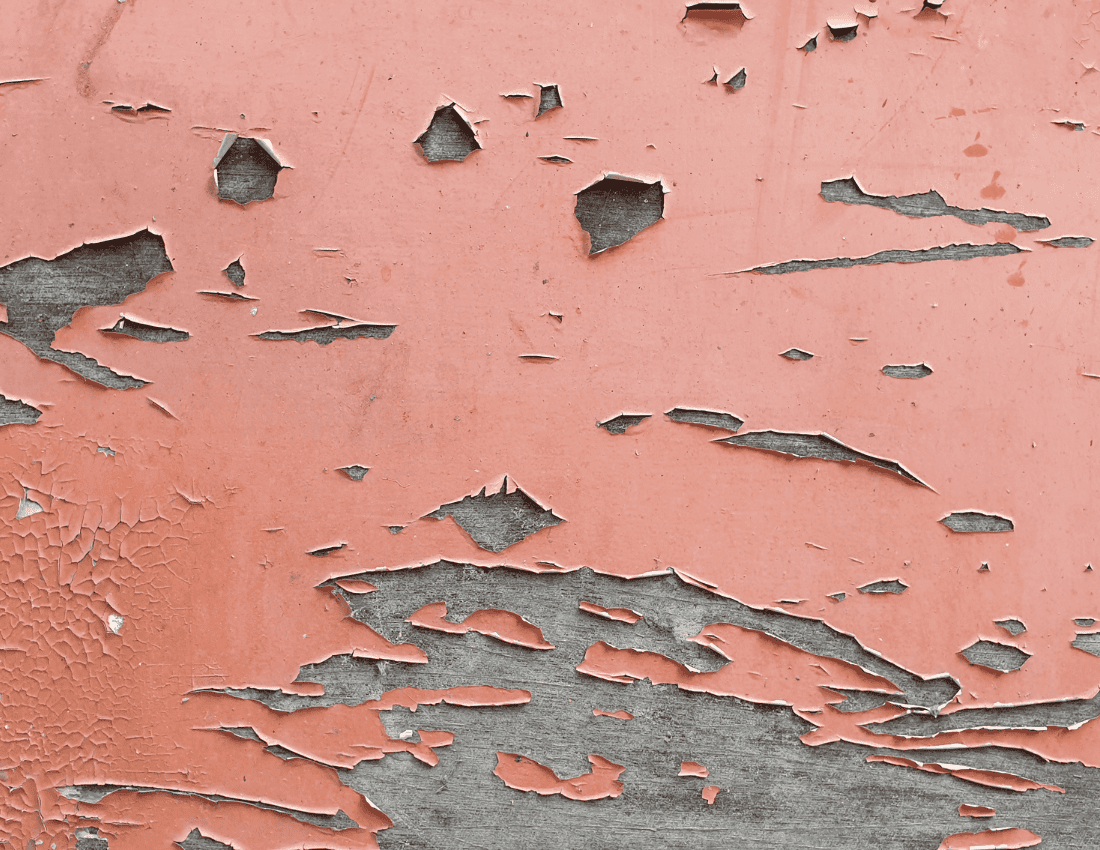
2. Peeling, Cracking, or Flaking Paint
If paint is literally falling off the house, it’s time to act. These are warning signs that moisture has seeped in or the paint can no longer adhere properly to the surface.
You might notice:
- Paint curling at the edges
- Bare patches exposing the surface
- Flakes accumulating at the base of siding
Once peeling starts, it can spread quickly. Don’t wait too long—scraping and sanding will only get tougher over time.
3. Bubbling or Blistering
Bubbles and blisters on painted surfaces are often caused by trapped moisture. This can happen if the house was painted during humid conditions or if water has gotten behind the siding.
Check these areas:
- Lower walls close to the ground
- Around windows, doors, and gutters
A bubbling surface weakens the paint’s grip and leaves your home vulnerable to water damage.
4. Visible Wood Rot or Soft Spots
Exterior house painting can’t fix rotted wood, but it can prevent it. Paint acts as a moisture barrier. If you notice soft wood around trims, window sills, or porch railings, there’s a good chance the old paint is no longer doing its job.
What to do:
- Inspect soft or cracked areas with a screwdriver
- Repair or replace affected wood before painting
Use primer and quality exterior paint to help seal the surface
5. Mold, Mildew, or Dark Stains
Dark green, black, or brown patches usually mean mold, algae, or mildew has made itself at home. These aren’t just cosmetic issues—they can keep growing beneath the paint if not treated properly.
If you find staining, try:
- Cleaning the area with a mildew remover
- Rinsing with water and letting it dry fully
- Applying a mold-resistant primer before repainting
Repainting won’t stop mold on its own, but done right, it helps keep these problems from coming back.
6. Paint is No Longer Washable
Sometimes, even with your best scrubbing, the paint just won’t clean up. Older, worn-out finishes tend to absorb more dirt and stains, especially in dusty or rainy environments.
Try this test:
- Wipe a dirty section with a damp cloth
- If it leaves a permanent stain or rubs off powder, repainting is your best bet
Newer exterior paint is made to resist dirt and can often be cleaned with a gentle wash.
7. Energy Bills Are Slowly Rising
Yes, your house paint might be part of the problem. Cracked, flaking, or thin paint can expose gaps that let in drafts and heat. It may not be the only factor in rising energy costs, but it definitely plays a role.
A few things to check:
- Cracked caulking around windows
- Exposed siding joints
- Drafts coming through exterior walls
A solid repaint (often with sealing and caulking included) can make your home more airtight.
8. You’re Planning to Sell or Remodel
This might not be a damage-related sign, but it’s an important one. If you’re prepping your home for the market or doing a full makeover, a new paint job is one of the fastest ways to boost curb appeal.
Buyers notice:
- Fresh, clean exteriors
- Modern color schemes
- Trim that pops against siding
Choosing to repaint before listing can add perceived value and make a better first impression.

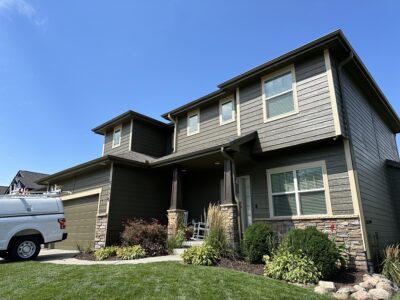
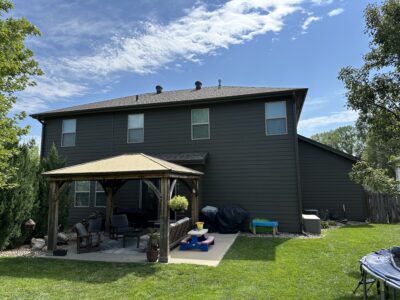
Plan Your Exterior Painting Project in Elkhorn, NE
If your home is showing any of these signs to repaint your house exterior, it’s worth planning your next steps soon. A timely paint job can prevent long-term damage, save on energy bills, and bring a clean, finished look to your property.
Here are some quick reminders:
- Check the weather before you start
- Wash and prep surfaces
- Repair damaged wood or siding
- Pick high-quality, weather-resistant paint
When in doubt, reach out to local pros who know how to handle surfaces and climates in Elkhorn, NE.
Get Started Today!
Don’t let small problems turn into expensive repairs. If you’ve spotted signs to repaint your house exterior, now is a great time to start. Call 402-866-8260 for a FREE estimate and let us help with your next exterior painting project!