
If your paint project didn’t turn out how you expected…
Many homeowners in Bennington, NE run into frustrating results that trace back to a few common painting mistakes. From color regrets to peeling walls a month later, these issues aren’t always about effort—it’s usually about missing small but important steps.
Whether you’re freshening up the kitchen, repainting bedroom walls, or working with cabinetry, it’s worth understanding what can go wrong before picking up a brush.
This guide walks you through the biggest painting mistakes that sabotage even well-intentioned projects.
Key Takeaways:
- Prepping walls properly makes or breaks your paint job.
- Not all paints or sheens work in every room—know the difference.
- Weather can affect how paint dries, even indoors.
- Tape matters—messy edges are hard to fix later.
- Rushing between coats leads to peeling and uneven finish.
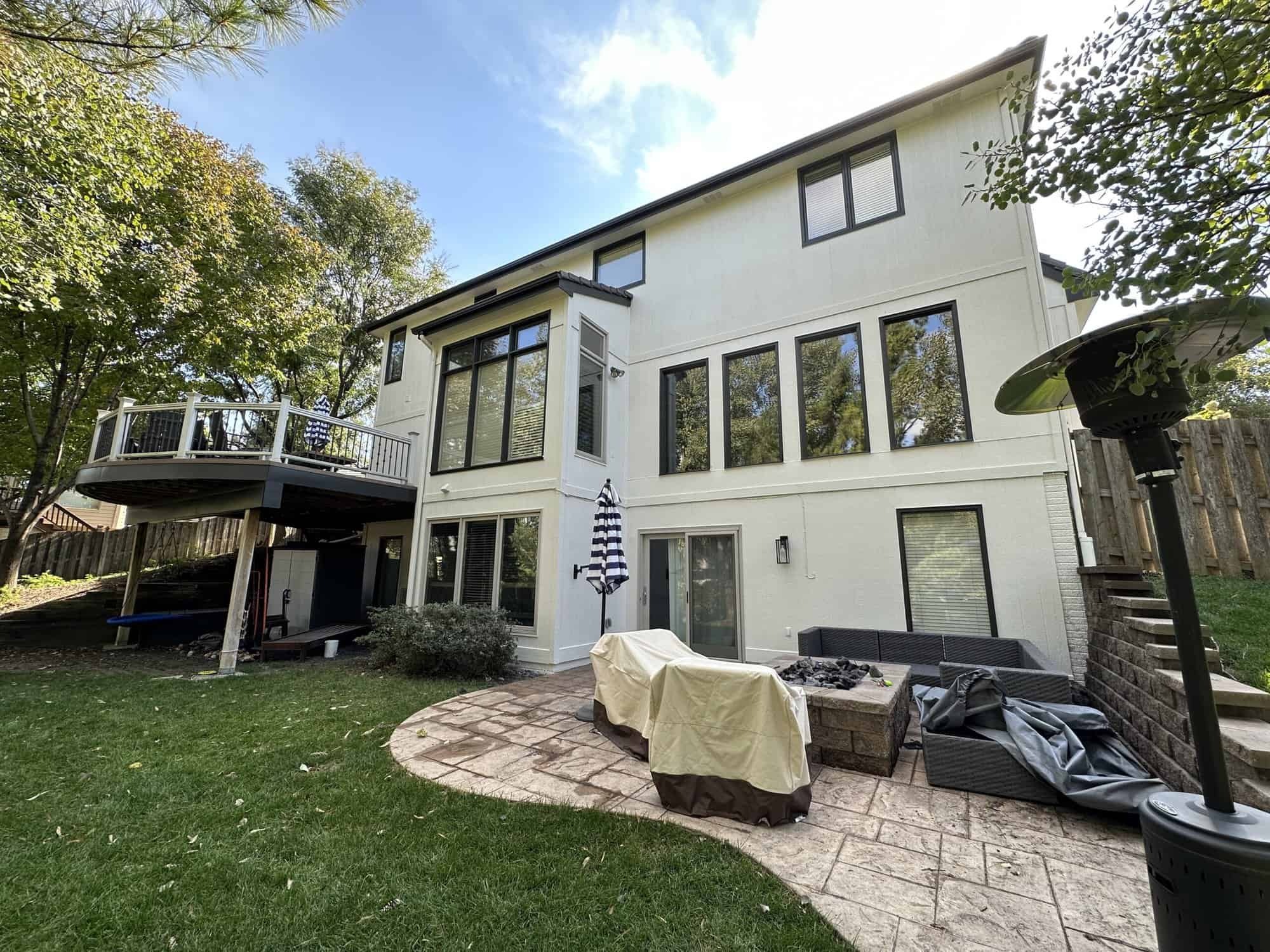
Common Painting Mistakes to Avoid
Painting your home should feel satisfying, not stressful. But too often, small oversights lead to streaky walls, peeling finishes, or colors that just don’t feel right.
Below, we break down the biggest slip-ups, so you can skip the mess and enjoy the results.
1. Skipping Surface Prep (Even When the Walls Look “Fine”)
The number one reason paint doesn’t stick, chips too fast, or looks uneven? Poor surface prep.
Walls collect dust, oils, and moisture—even when they look clean. And if you’re painting over drywall patches, furniture scuffs, or previous paint that’s flaking, you’re stacking problems on problems.
Always start with:
- Light sanding (yes, even on clean walls)
- Cleaning with mild soap or TSP
- Repairing nail holes or dents
- Checking for water damage or soft spots
After that, it’s about using the right primer. Not all walls need the same product, but skipping it completely is one of the most common painting mistakes we see. If you’re unsure what to use, read our breakdown on how many coats of primer you need for different surfaces.
2. Choosing Paint by Brand or Color Name Only
Paint labels don’t always tell the full story. Just because two shades are both called “Alabaster” doesn’t mean they’ll look identical in your home, especially when light, shadows, and paint sheen get involved.
Before buying that gallon, make time to:
- Sample at least two shades on your wall
- View them at different times of day
- Compare how they interact with your lighting and furniture
And don’t forget the finish. Satin, eggshell, matte, and gloss all behave differently on a wall. If you’re unsure what fits best, our guide on different paint sheens breaks it down room by room.
Choosing poorly isn’t just about looks. The wrong sheen or type can peel, show every fingerprint, or reflect too much light, especially in high-traffic spots like kitchens or hallways.
3. Painting When the Weather Isn’t Right
Here in Bennington, NE, weather can change fast and that affects your paint.
Humidity and temperature swings mess with dry times. If paint stays tacky too long, it can bubble or dry patchy. That’s especially true for exterior projects, but even indoor jobs can suffer if windows are open on a humid day.
Track local weather patterns closely before starting a project. If you’re planning to paint anytime soon, it’s worth checking our article on weather and temperature when painting exterior to avoid the most timing-related painting mistakes.
4. Not Using Enough Paint—Or Buying Too Much
Underestimating how much paint you need can leave you with mismatched touch-ups. Buying way too much wastes money.
Things like textured walls, darker colors, or surfaces that soak up paint (like raw drywall or bare wood) often need more than the back of the can suggests.
A smart move? Use a paint calculator before you buy. It factors in room size, number of coats, and surface type so you’re not left guessing.
5. Not Taping Off Carefully (Or Rushing It)
Bleed-through and wobbly edges are hard to fix after the fact. Taping may feel tedious, but not doing it right often leads to paint where you don’t want it—like baseboards, hardware, or adjacent walls.
If you’re going for clean lines around cabinetry or trim, don’t rush the tape job. Press edges firmly, use painter’s tape (not masking tape), and remove it at the right time—while the paint is still slightly tacky.
Professional painters in Bennington, NE often skip tape because of their experience, but if you’re not painting every day, a good tape job can save a lot of frustration.
6. Ignoring Room Purpose When Choosing Products
The same paint won’t work for every space.
High-moisture rooms like bathrooms need mold-resistant, satin or semi-gloss paint. Bedrooms and living rooms are usually fine with matte or eggshell.
Then there’s the surface material. Drywall, wood, cabinets, and ceilings—each requires different tools, techniques, and sometimes, different types of paint altogether.
Quick tip: For kitchens and baths, go with acrylic paint in a satin finish for durability and easy cleaning. For ceilings, use flat paint to help hide imperfections and minimize reflection from light.
If you’re not sure what works where, professional painters in Bennington, NE can help match the right product to your specific room and use case.
7. Rushing Between Coats
Paint needs time to cure—not just dry. Slapping on a second coat too early often leads to streaks, bubbling, and poor coverage. It can even lift the first coat right off the wall.
Latex paint usually needs at least 4 hours between coats, while oil-based options can take up to 24. Humid days? Add more time.
Painting too fast is one of those mistakes that looks fine at first, but the problems show up a few days or weeks later. Always give each layer room to set before continuing.
Common Surfaces Where Paint Fails Faster
Some materials naturally resist paint more than others. Here’s where we often see early chipping or fading:
- Unprimed wood
- Glossy or oil-based finishes
- Metal railings or hardware
- Unsealed concrete or masonry
Prep and primer make a huge difference here.
The Bottom Line
Painting isn’t just picking a color and rolling it on the wall. The most frustrating results we see—from uneven color to peeling paint—trace back to basic, preventable mistakes.
If you’re unsure what type of paint to use, how much to buy, or when the weather is working against you, it’s worth reaching out to experienced help. Avoiding these painting mistakes from the start saves time, money, and the hassle of a do-over.
Here’s how our professional painters in Bennington, NE help you skip the headaches:
- Thorough prep on every surface—no shortcuts
- We match paint types and sheens to each room
- Accurate estimates with our paint calculator
- We time your project around weather and temperature
- Neat, crisp results (no messy edges or splatter)
- Fast, reliable clean-up and walkthroughs after we’re done
Let Kieser's Painting help you get it done right the first time. We proudly serve Carter Lake, Ralston, Richfield, Waterloo, NE, and the surrounding areas.
Call us at 402-866-8260 for a FREE estimate.